
Transforming Design, Coordination, and Delivery
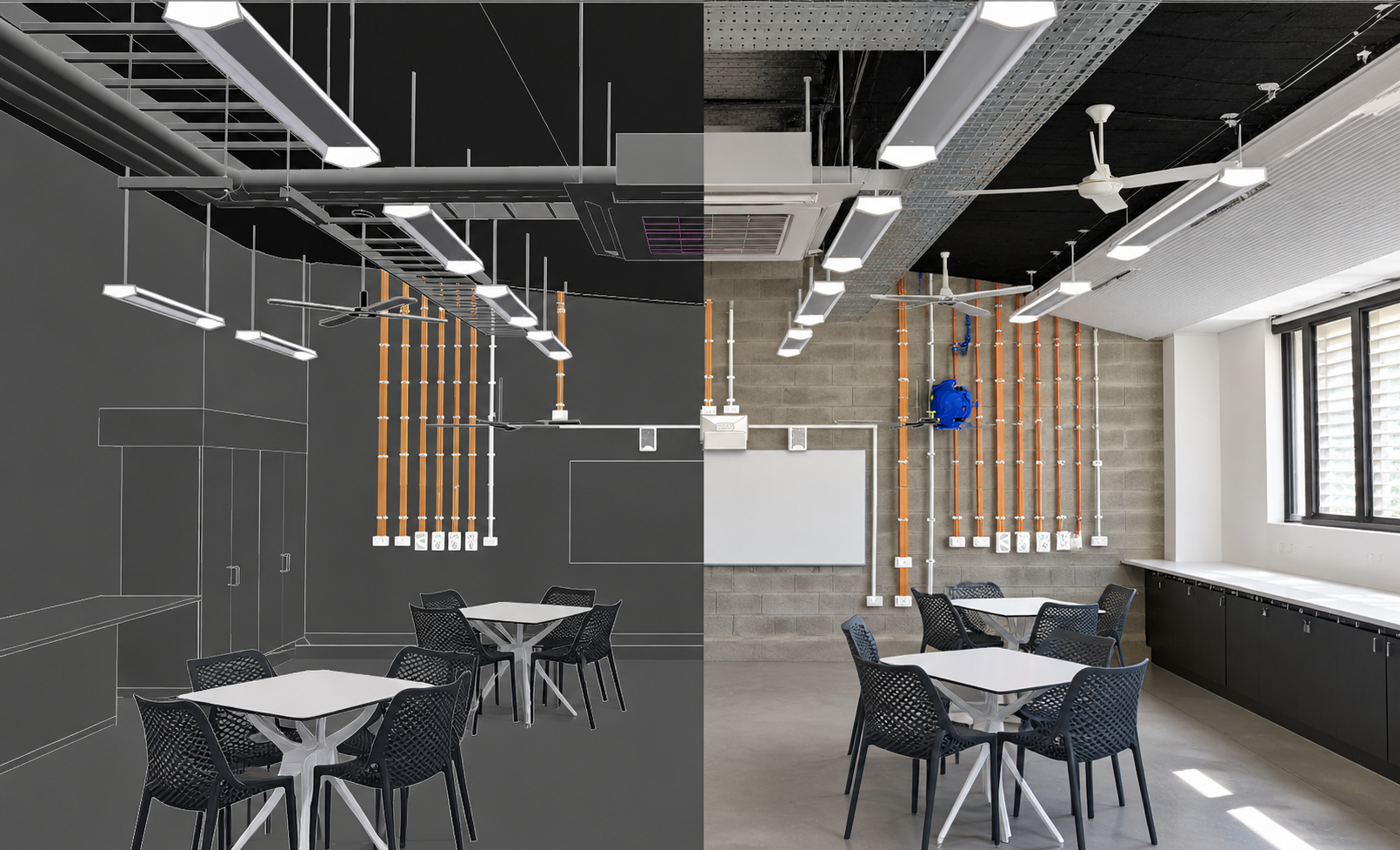
At BSI, we leverage Building Information Modelling (BIM) to enhance every stage of building services engineering, from design and analysis to construction and operation. BIM is far more than just 3D modelling; it’s an intelligent, data-rich process that improves collaboration, increases efficiency, and ensures accuracy across all project stakeholders.
CapabilitiesCapabilities
Expertise
- Full 3D MEP Modelling (LOD 100–500)
- Clash Detection & Resolution
- Coordination with Architectural & Structural Teams
- Quantity Take-offs & Cost Estimation
- 4D Construction Sequencing
- As-Built Model Development
- BIM for Facilities Management Integration
Why BIM Matters in Building Services
Building services systems (mechanical, electrical, plumbing, fire protection, etc.) are complex and often require precise coordination within tight spatial and programmatic constraints. BIM enables us to:
- Coordinate across disciplines: We integrate architectural, structural, and MEP models in a shared environment, minimizing clashes and identifying issues early, before they become costly onsite problems.
- Improve design accuracy: BIM ensures that all services are precisely laid out, with real-time updates and change tracking, reducing rework and errors.
- Enhance collaboration: Teams can work concurrently on a single model, enabling faster decision-making and clearer communication among architects, engineers, contractors, and facility managers.
- Support sustainability: With data-driven analysis tools, we can optimize energy performance, simulate system behaviour, and design with sustainability goals in mind.
- Deliver lifecycle value: BIM models serve as a foundation for facilities management post-construction, offering valuable data for maintenance, upgrades, and building performance monitoring.
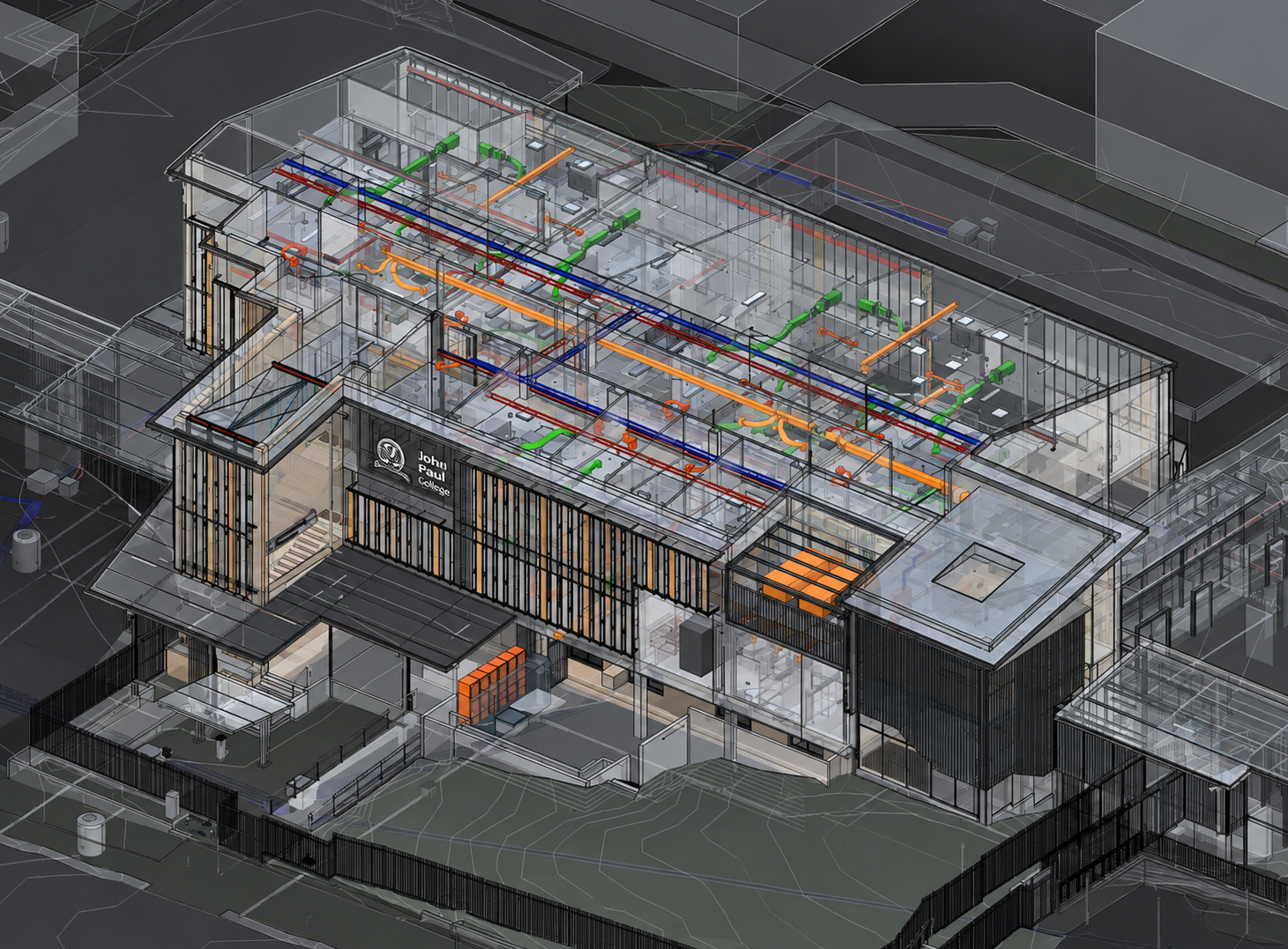
Whether we’re working on high-rise developments, commercial facilities, or bespoke residential projects, BIM empowers us to deliver smarter, safer, and more efficient building services engineering.
Other Services
We’re a multidisciplinary consultancy offering a one-stop shop for building services - delivering integrated, end-to-end solutions under one roof.


